BLOG
Stay up to date with the events and knowledge that are shaping the publishing industry.
Book Summary Apps are All the Rage, but Are They a Danger to Authors?
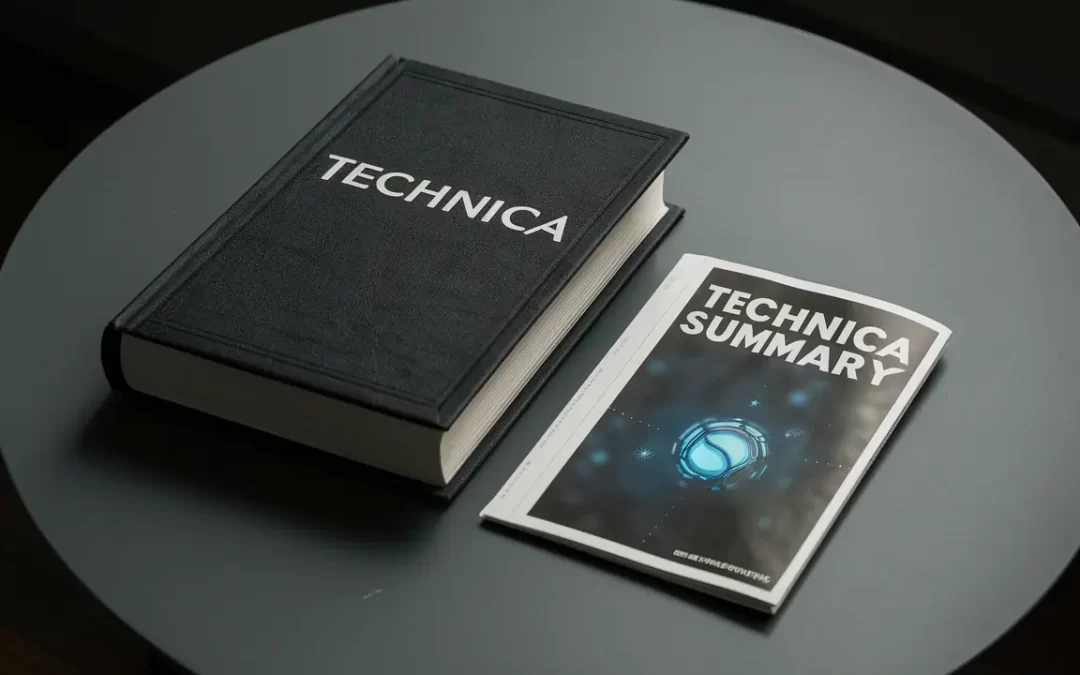
If you’re a millennial, you probably used SparkNotes at some point in high school to help summarize a book for English class. I fully admit that I tried my best to get through Jane Eyre, but Charlotte Bronte and I do not agree on writing style and pacing. The...

LGBTQ+ Books for All Age Groups
June is pride month, and with this, we wanted to present a collection of LGBTQ+ books for any preteen/ adolescent/ human who might be interested in this genre! LGBTQ literature explores LGBTQ+ experiences, history, relationships, and more. Queer literature can be a...
Feeling the Burn: How to Avoid Burnout While Writing a Book
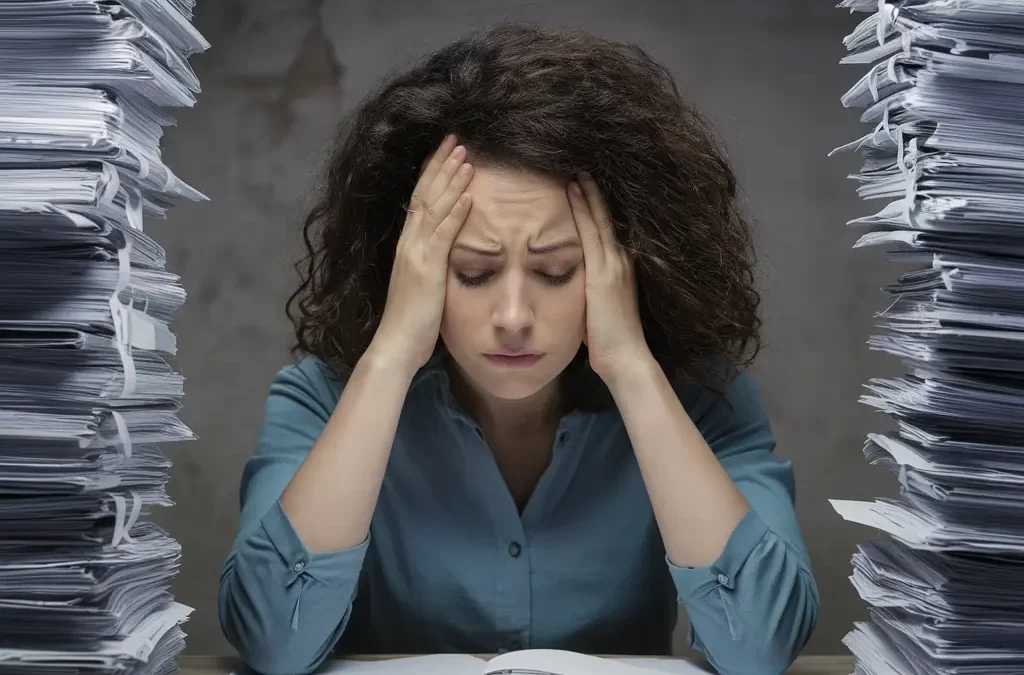
For most authors, writing is far more than just a career—it’s a passion. The thought of starting a new book project is, at first, one that sparks rigorous motivation and enthusiasm. But all too often, that initial “get up and go” mentally quickly melts away into...

Tips for Writing a Romantasy
Romantasy is a fiction genre that has recently been growing in popularity, particularly on Booktok (the book subsection of the TikTok social media app). But what is this genre, and how can you write a romantasy book that might become a best-seller? Romantasy — a...
Stories that Stick, by Kindra Hall
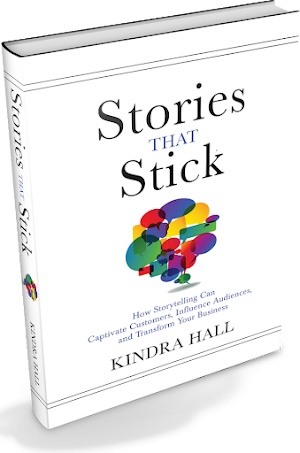
Writers, if you’re like me, then you probably love devouring books that can help you navigate the complicated world of publishing. It’s exciting to announce, then, that Technica Editorial is starting a new book review series to share some of the standout books that...
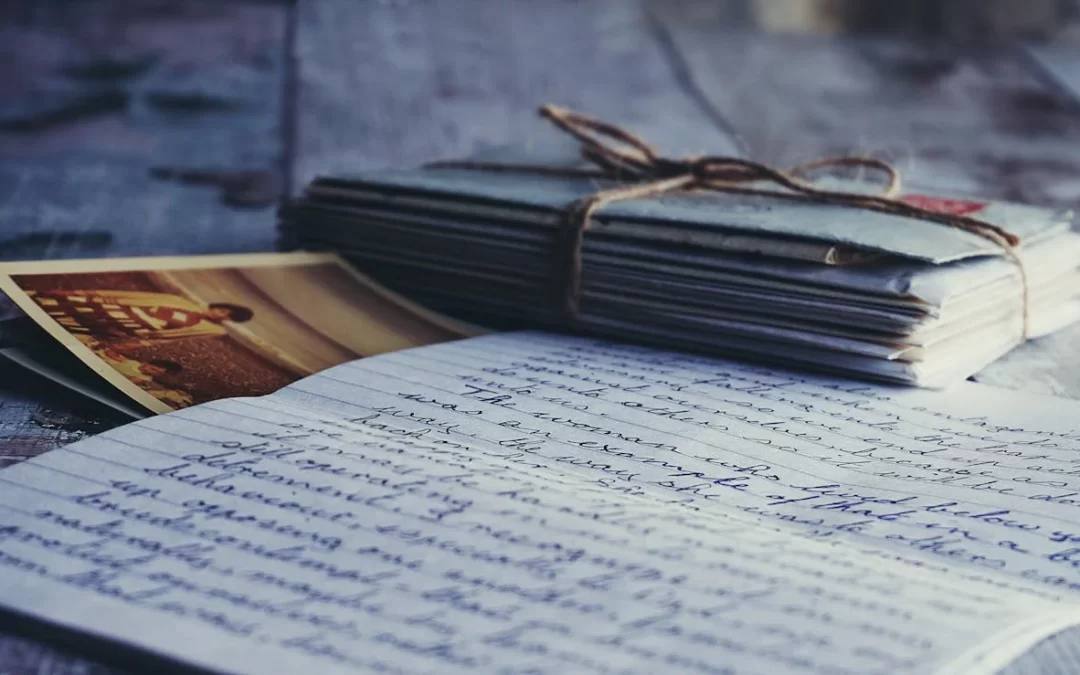
Fact, Fiction, and Form: The Art and Creation of Memoirs
To begin creating a memoir, writers must learn how to express their reality in an artistic format. Defining a memoir is the first step in this style’s creative nonfiction writing process. When trying to create a personal portrait reported in unshaped facts and...
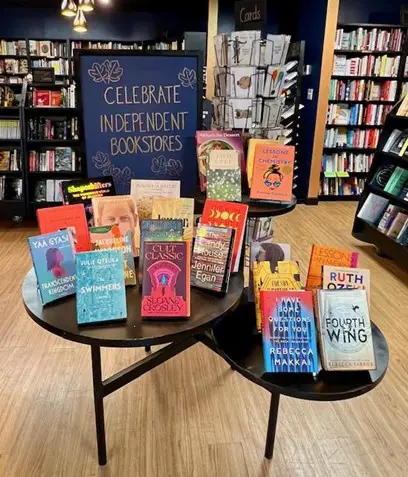
Golden Fig Books: An Independent Bookstore Feature to Celebrate Independent Bookstore Day
An Independent Bookstore is defined as a bookstore that is independently owned and not a part of a larger corporation. In celebration of Independent Bookstore Day, which is recognized on the last Saturday in April, I have reached out to a local independent bookstore...

The Art of the Book
Depending on the corners of the internet you inhabit, the algorithm might show you, like it does for me, crafty videos of people using paper, twine, glue, cardstock, leather, and all manner of other things to make and bind their own books and journals. Book binding,...
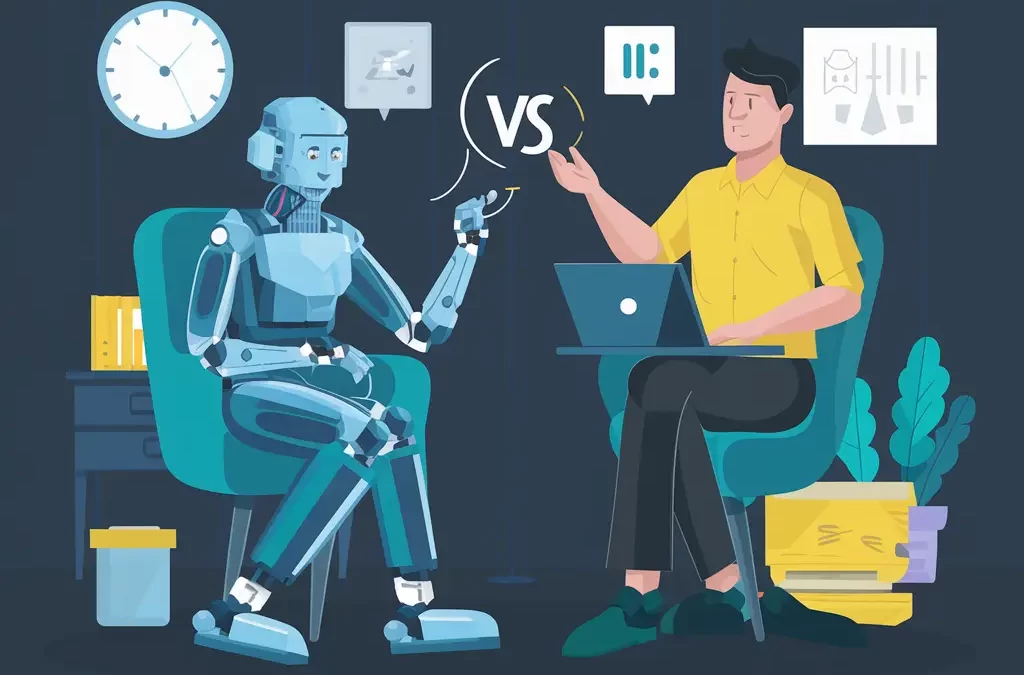
Human Nature: What Human Help Can Do That AI Cannot
In today’s world, artificial intelligence (AI) is, slowly but surely, becoming just as much of a staple to the publishing industry as the internet. Its advantages include allowing the writing and editing processes to become faster, more streamlined, and, in some...
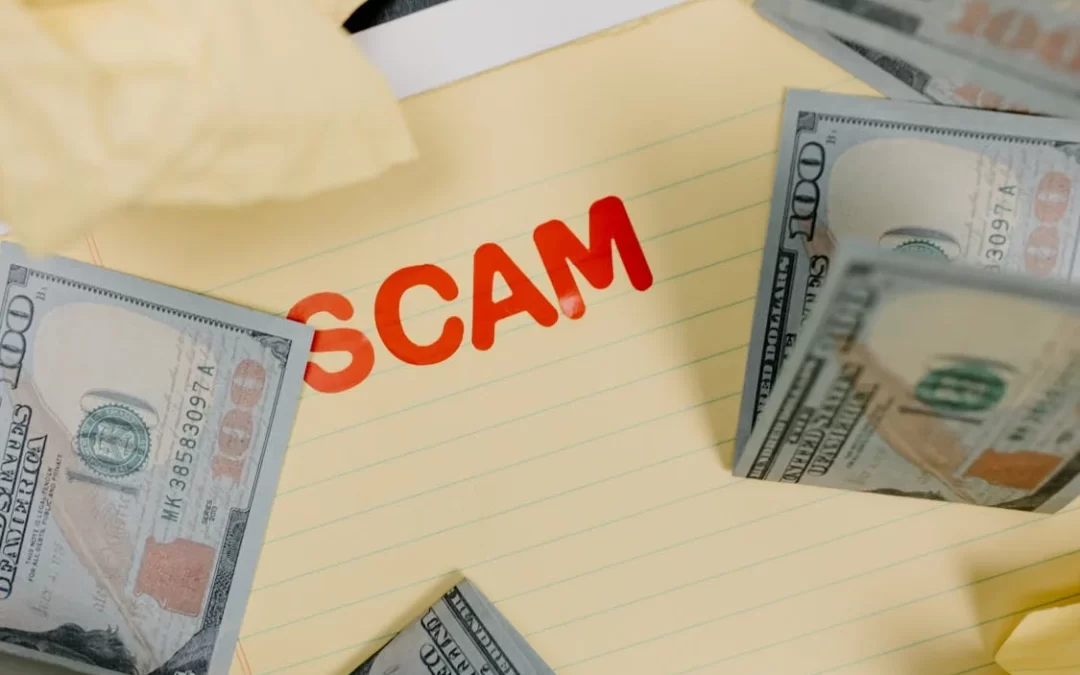
Cash for Citations: The Newest Scam in Scholarly Publishing
“Publish or Perish” tends to be the unfortunate moniker of the scholarly publishing world nowadays. Experts have to publish their work (and in the right journal, mind you) to get the citations and recognition needed to advance in their field. This mindset has of...
AI’s Role in Peer Review
We’ve almost talked to death the topic of ChatGPT’s authorship role and the ethics of authors using it and other AI tools to produce manuscripts in past blog posts. Yet, this doesn’t change the fact that AI continues to infiltrate every step of the scholarly...
Five tips for being a good peer reviewer
It goes without saying that reviewers are central to the peer review process. Thoughtful and thorough evaluations of submitted manuscripts can be the difference between increasing a journal’s impact factor and having to retract poorly researched or flawed articles. So, what steps can you follow to make sure your review is helpful and constructive? Read the...
Predatory Publishing Makes a Comeback in COVID-19
The name of the game in COVID-19 research has been speed. With the situation being everchanging and on the minds of both experts and laypeople, authors are trying to publish their latest COVID-19 studies as quickly as possible before scientific consensus changes. However, anyone who works in peer review knows that the goal is to review and publish a...
Has COVID-19 Made Traditional Peer Review A Thing of the Past?
The COVID-19 pandemic has upended virtually all aspects of our daily lives—from how we go to work and school to the ways we greet each other. And the methods for publishing scientific articles certainly have not been immune to these major changes. In a “normal” world, a scientific article would have to undergo meticulous peer review before going to press....
Technicast: ISMTE Recap
The Technicast is back! Despite the current pandemic, Technica Editorial was a part of the first ever virtual ISMTE North America Conference. The employees that attended provided a recap for our listeners highlighting their favorite moments and discussions from this unique event. Take a listen and if you attended, let us know what you thought of the event!
Journal Indexing 101 Part III: Best Practices and Lessons Learned
Even if you’ve studied the steps for successful indexing and feel you’ve met all of the required criteria, the first-time success rate for acceptance in the major indexes is quite low. In fact, 60–80% of applicants are rejected on their first try. Having worked previously with clients on index reapplications, we’ve found the most common reasons for initial...
Unsub: The Latest Tool in Scholarly Journal Management
The economic toll of COVID-19 has proven wide-reaching over the last several months. It has not only led to businesses shutting down, high unemployment rates, and the cancellation of most public events, but the toll on education and academic institutions has been staggering. In April, the State University of New York (SUNY) was one such academic...
The Importance of Science Communication in the Time of COVID-19
Science touches and intertwines through all of our lives, making us stakeholders in many scientific arenas. Most recently, the race to tackle COVID-19, coinciding with a shift in open access policies of institutional research around the globe, has reminded us of the momentous significance of scientific research. Although science is part of our daily lives...
Journal Indexing 101 Part II: First Steps for Successful Indexing
So you’ve researched the benefits of discoverability and decided you’re ready to explore including your journal in one or more indexes. Knowing where to begin can sometimes be the most daunting part. The first thing you’ll need to decide is which indexes you will target. Here are a few things to consider when determining where your title may best fit....
In Search of the Perfect Metric: Comparing Three Models
An aspect of publishing that is critically important to publishers and authors alike is the metric that measures a journal’s significance in its field. The impact factor has long reigned as the preeminent yardstick for a journal’s relevance and importance. It captures the average number of citations that articles published in the journal received over the...
Journal Indexing 101 Part I: Benefits of Discoverability
In today’s crowded marketplace, journals are always looking for a way to stand out among their competitors. One such way is to prioritize index inclusion. If you’re new to indexing, in their most basic form, journal indexes are bibliographic databases with links to full text. Some databases index just titles, just abstracts, or the full text. Some are...